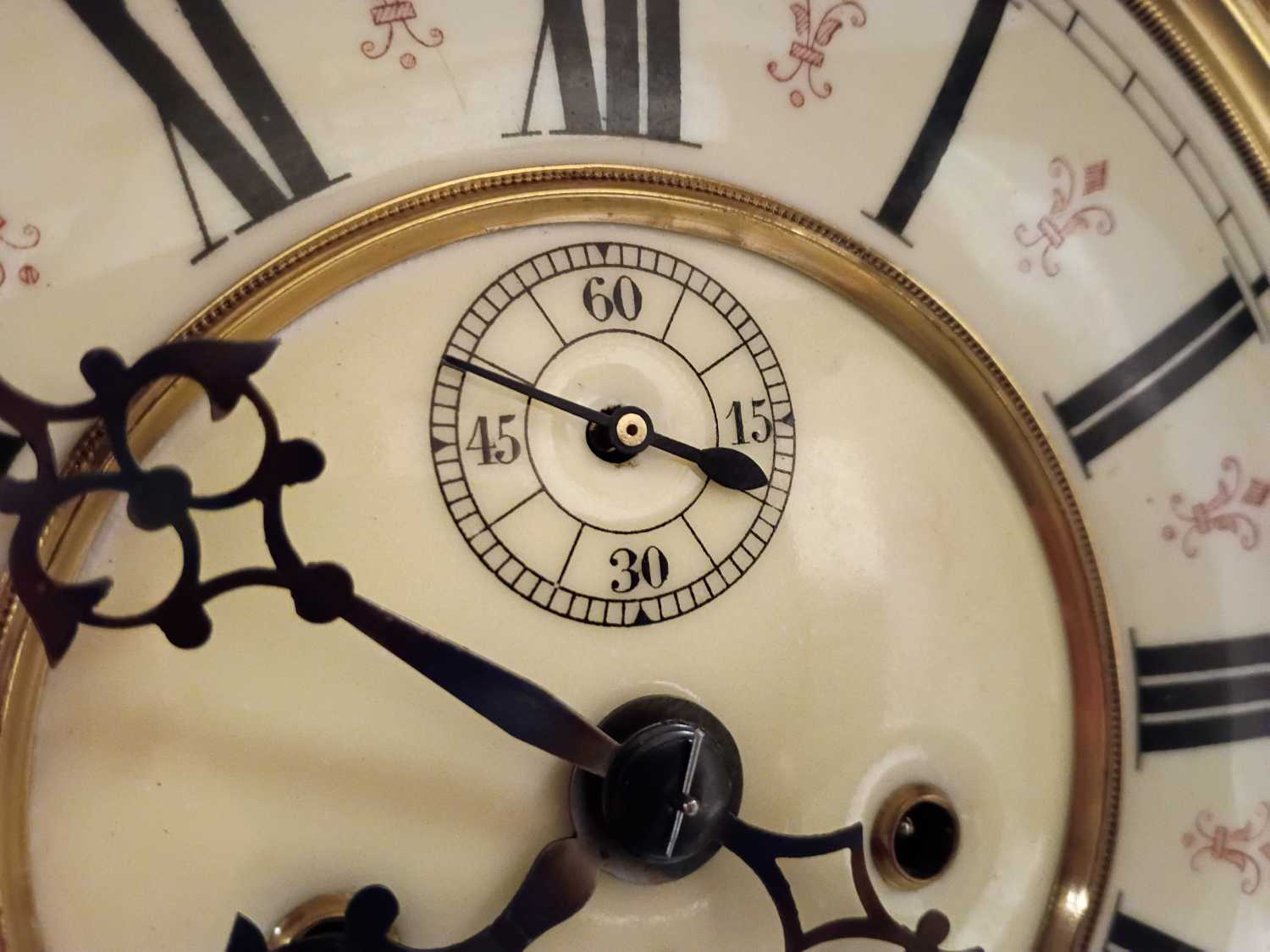
About JFK’s Machining Background
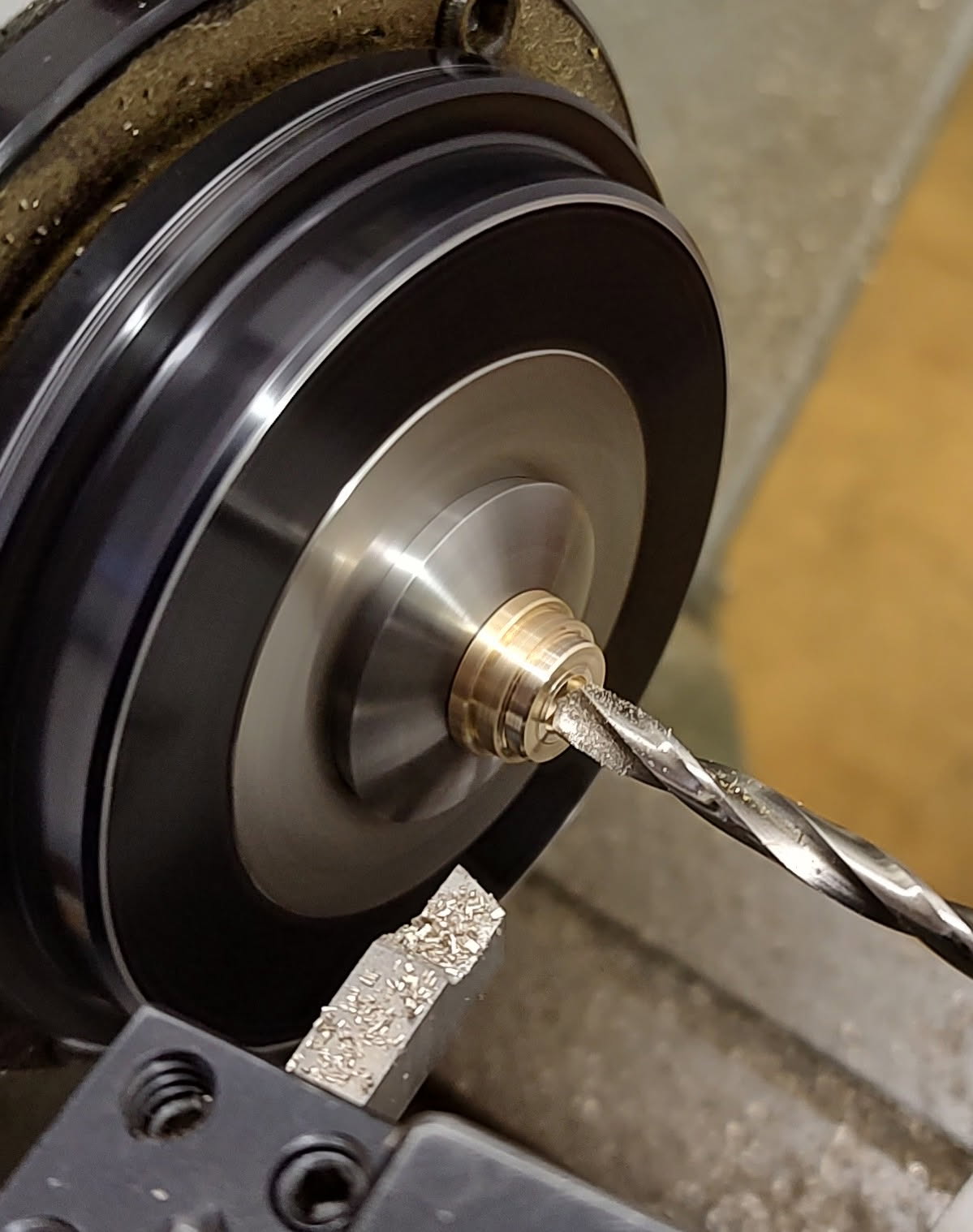
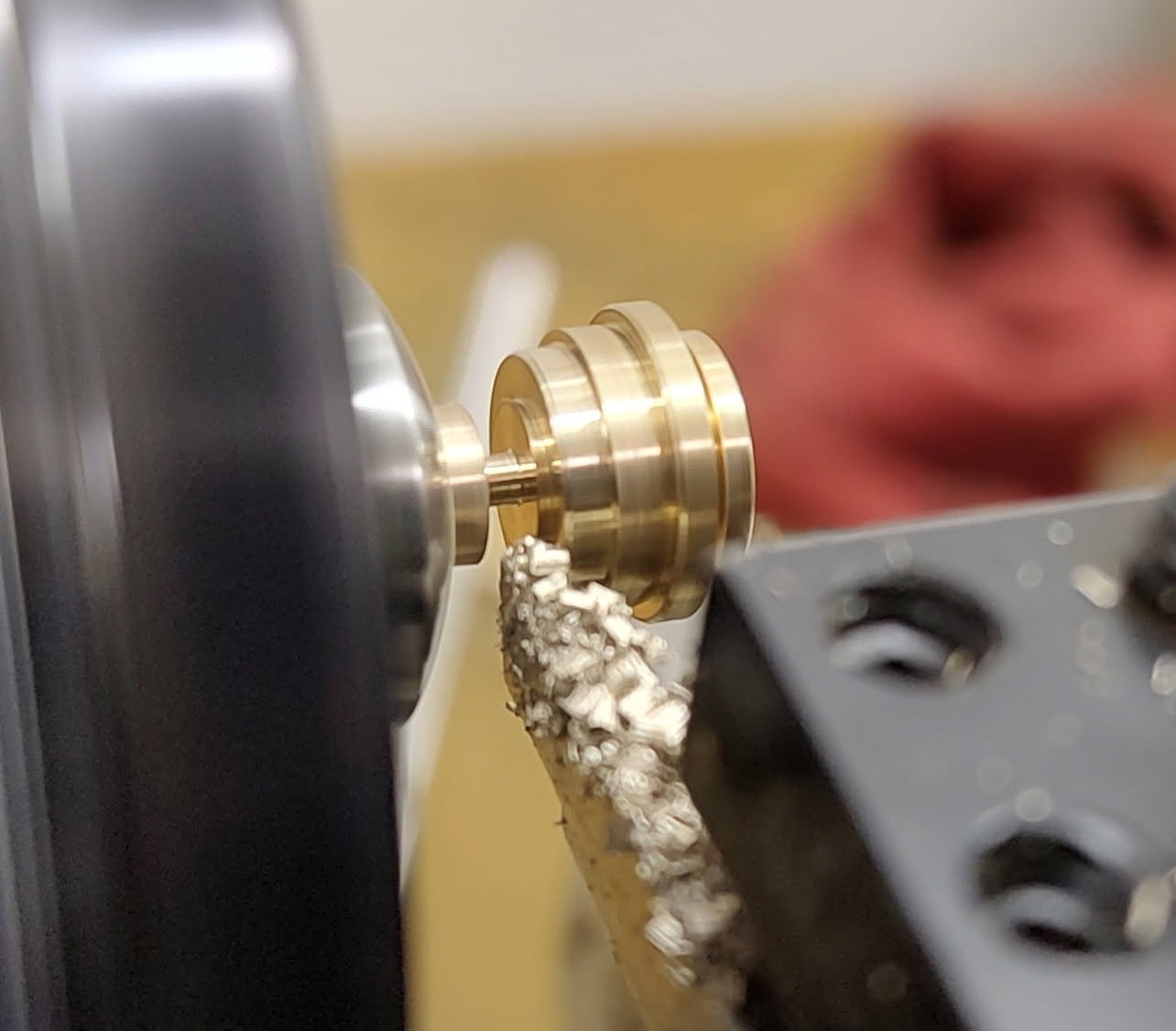
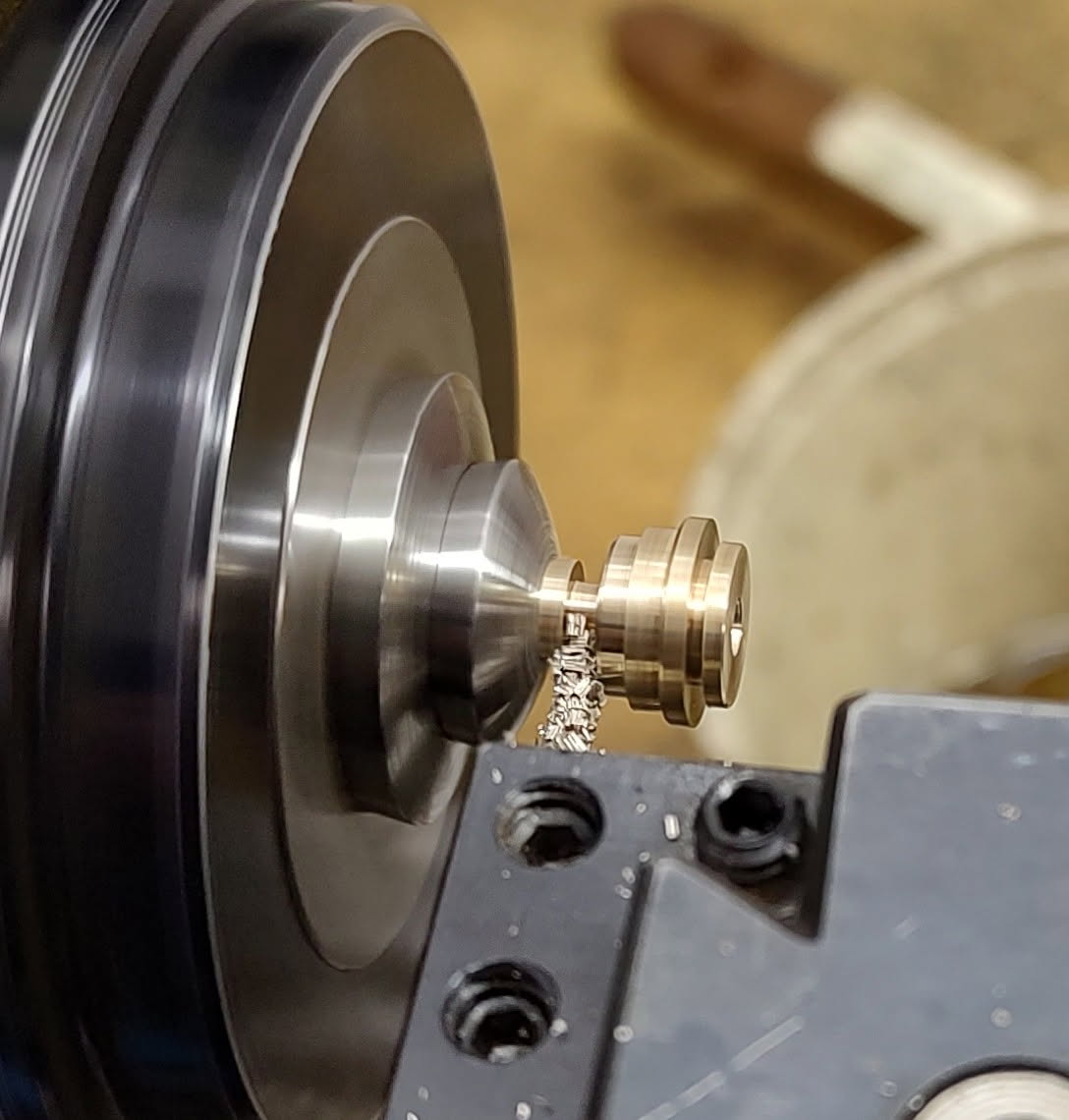
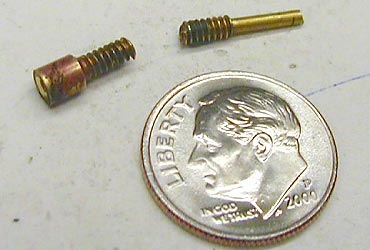
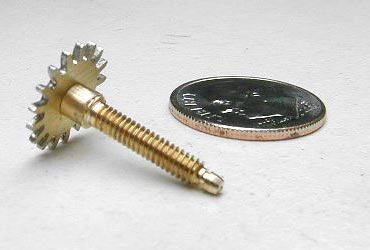
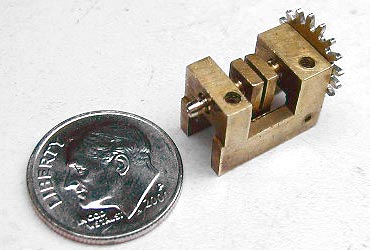
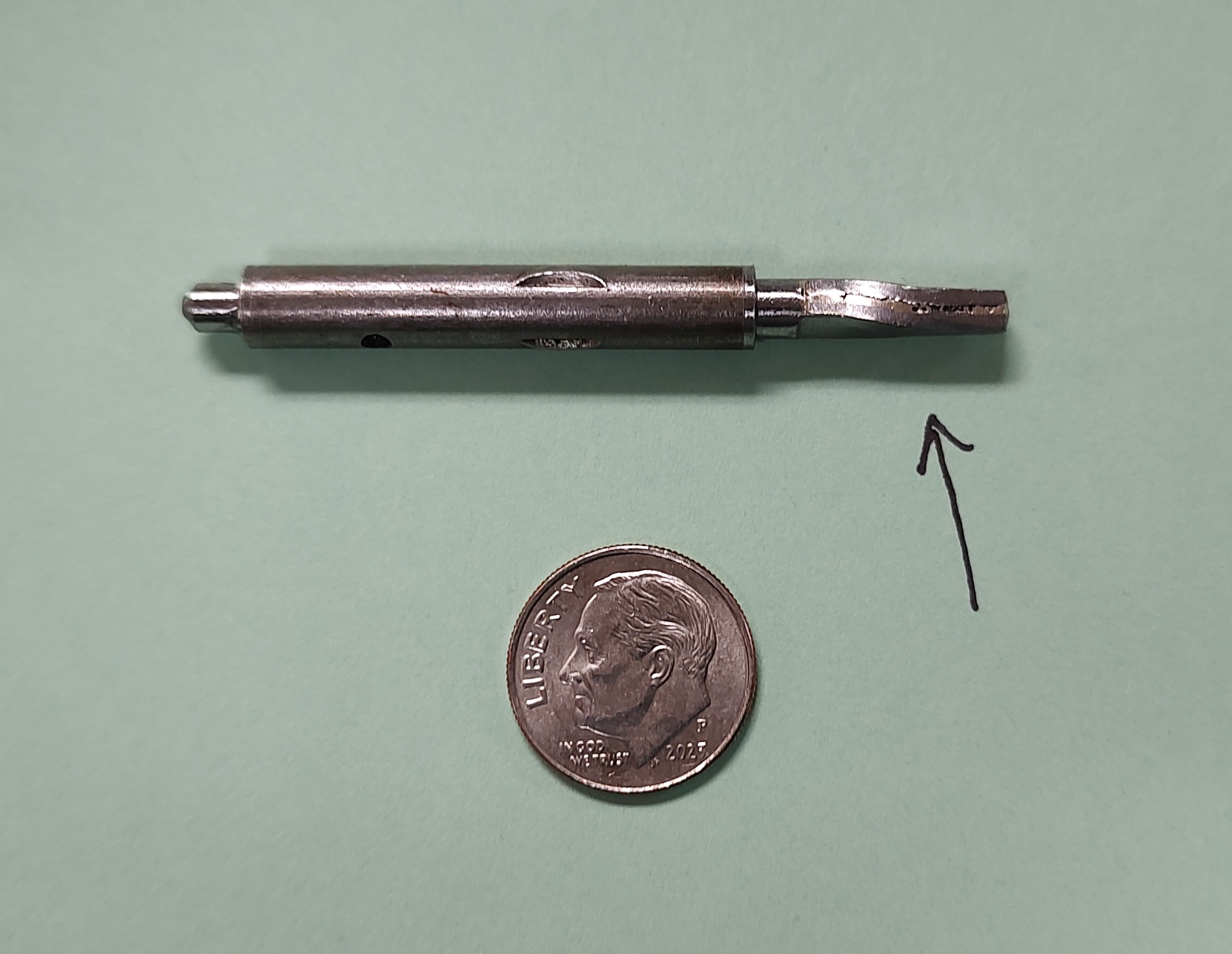
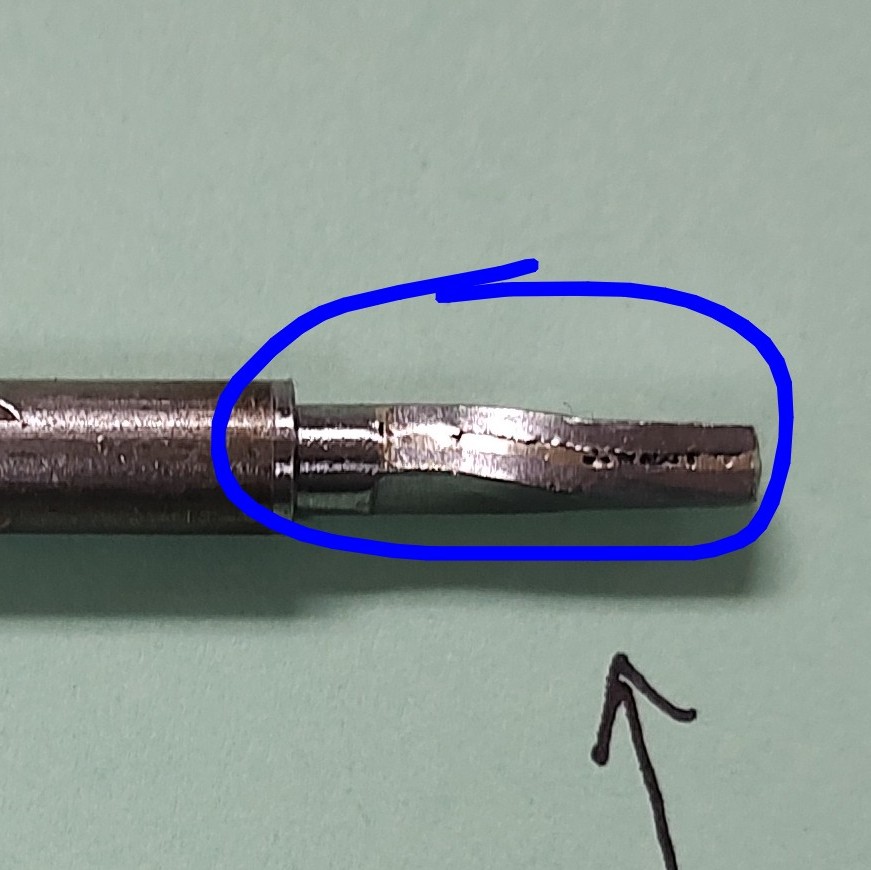
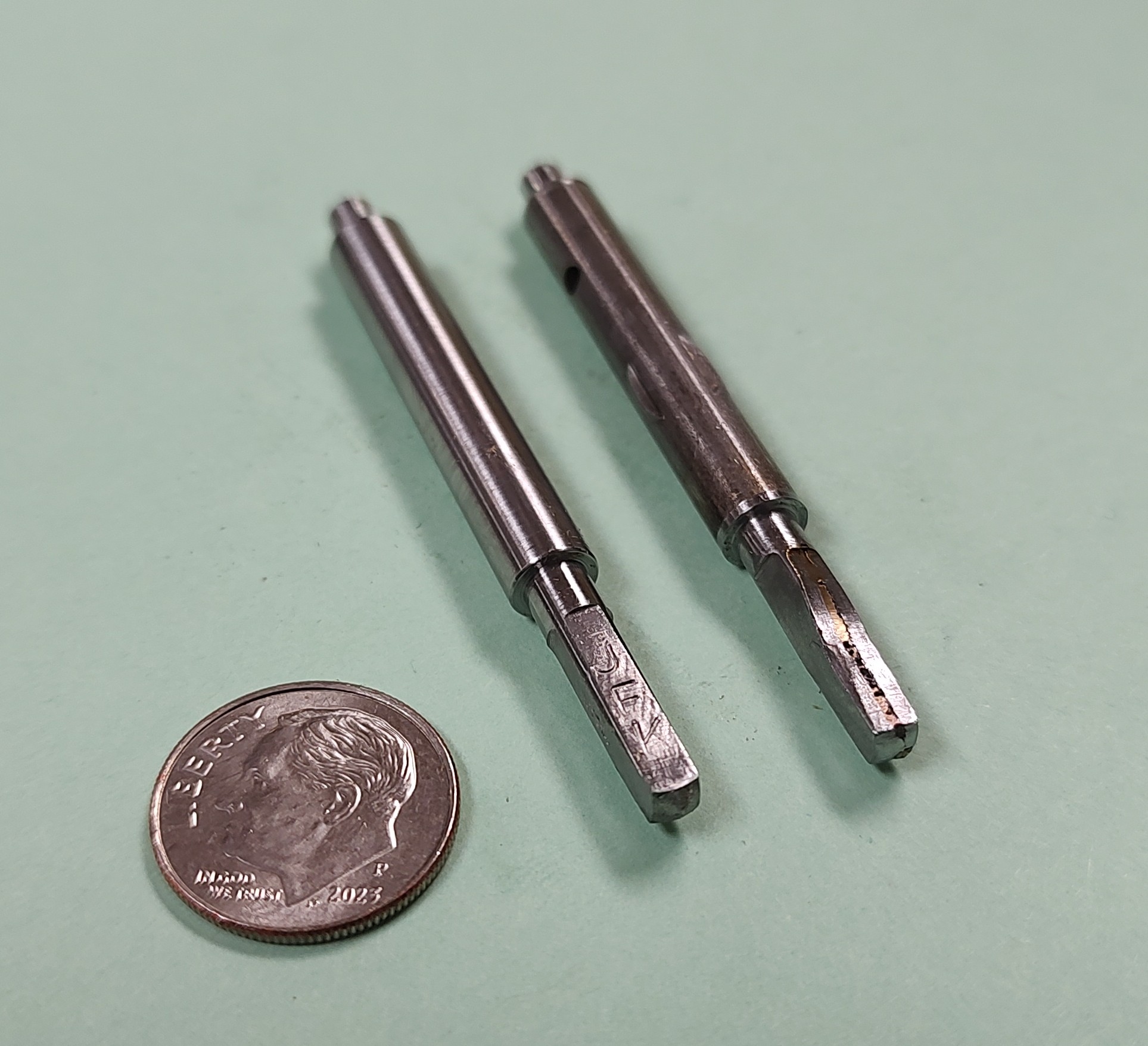
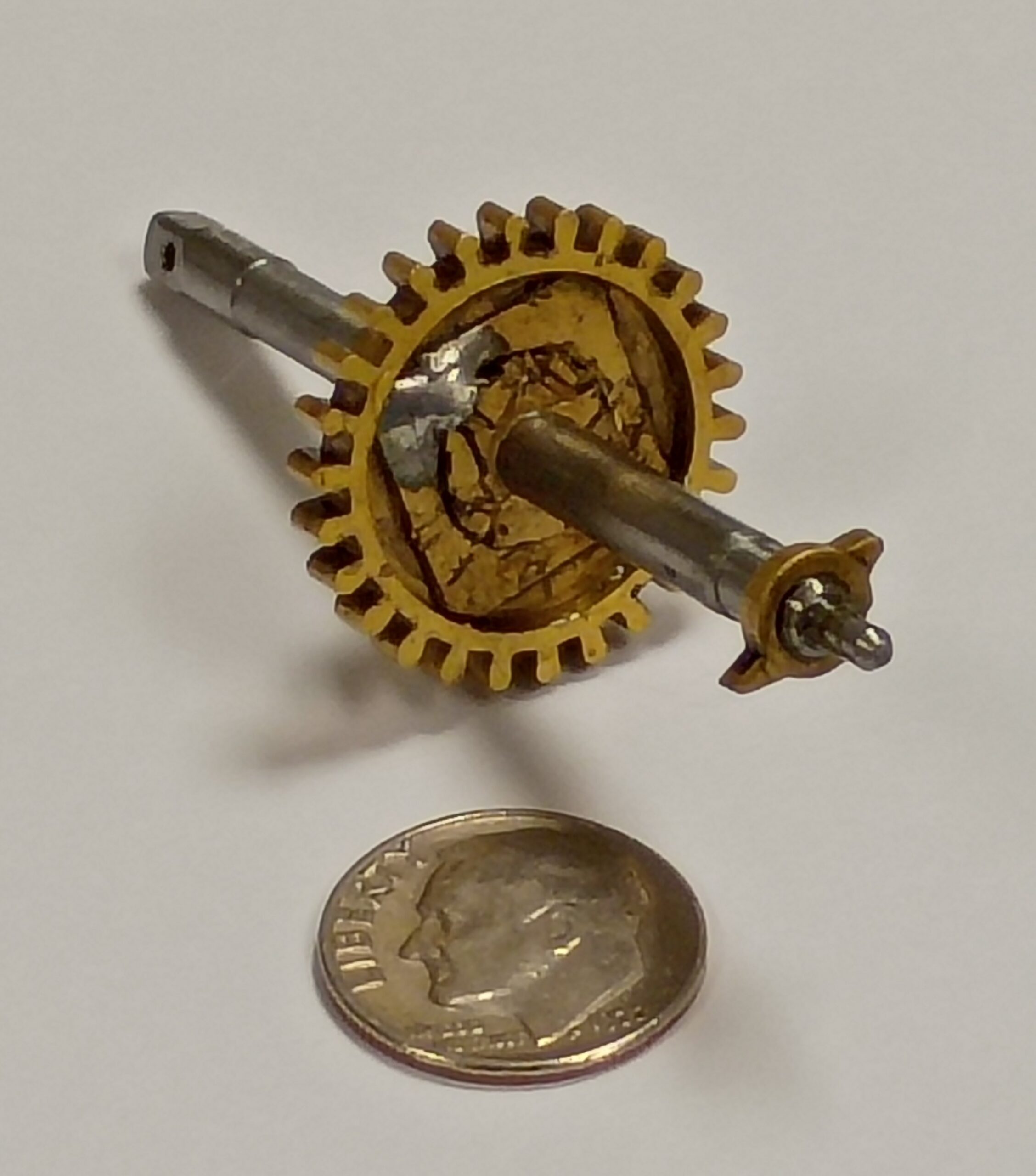
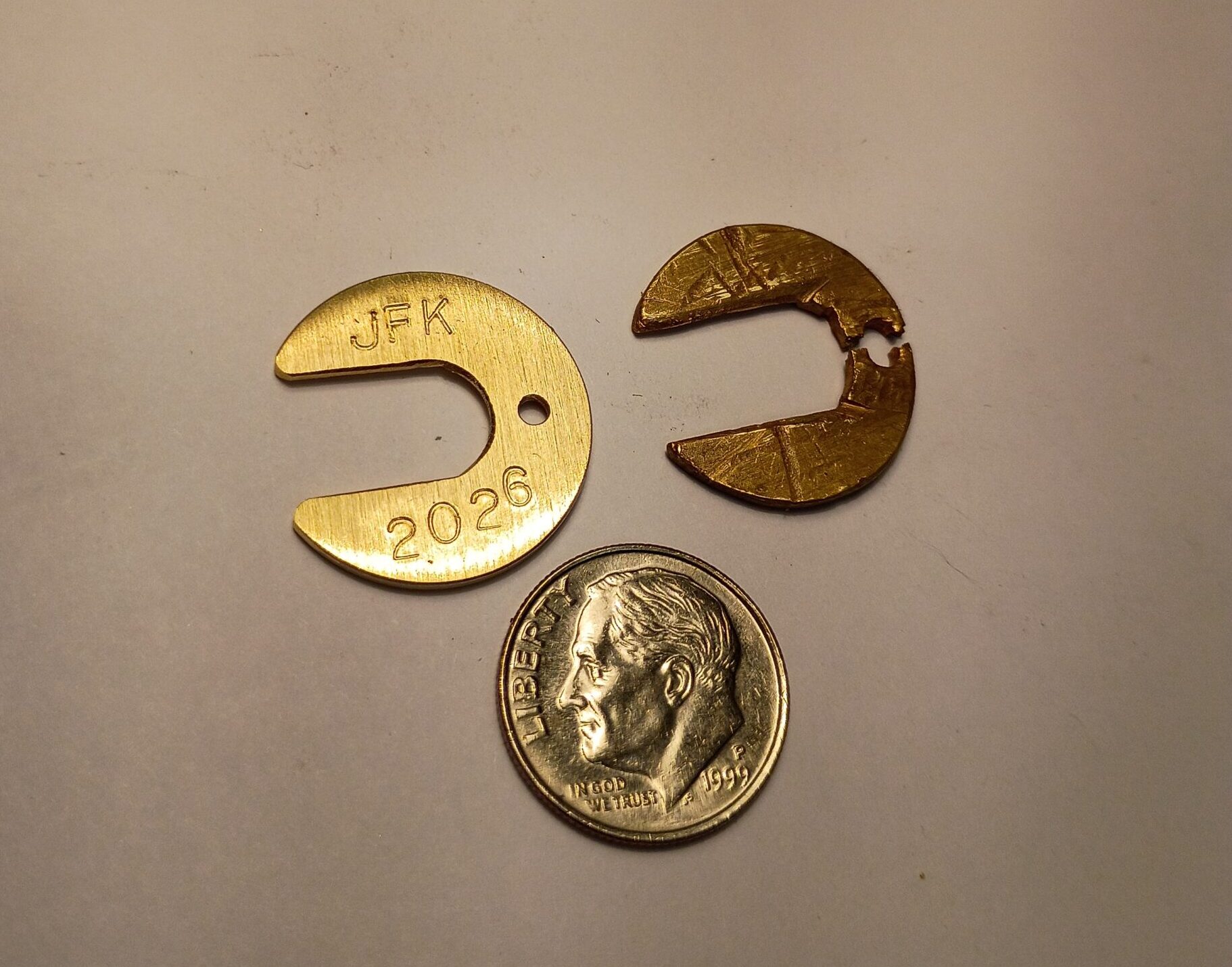
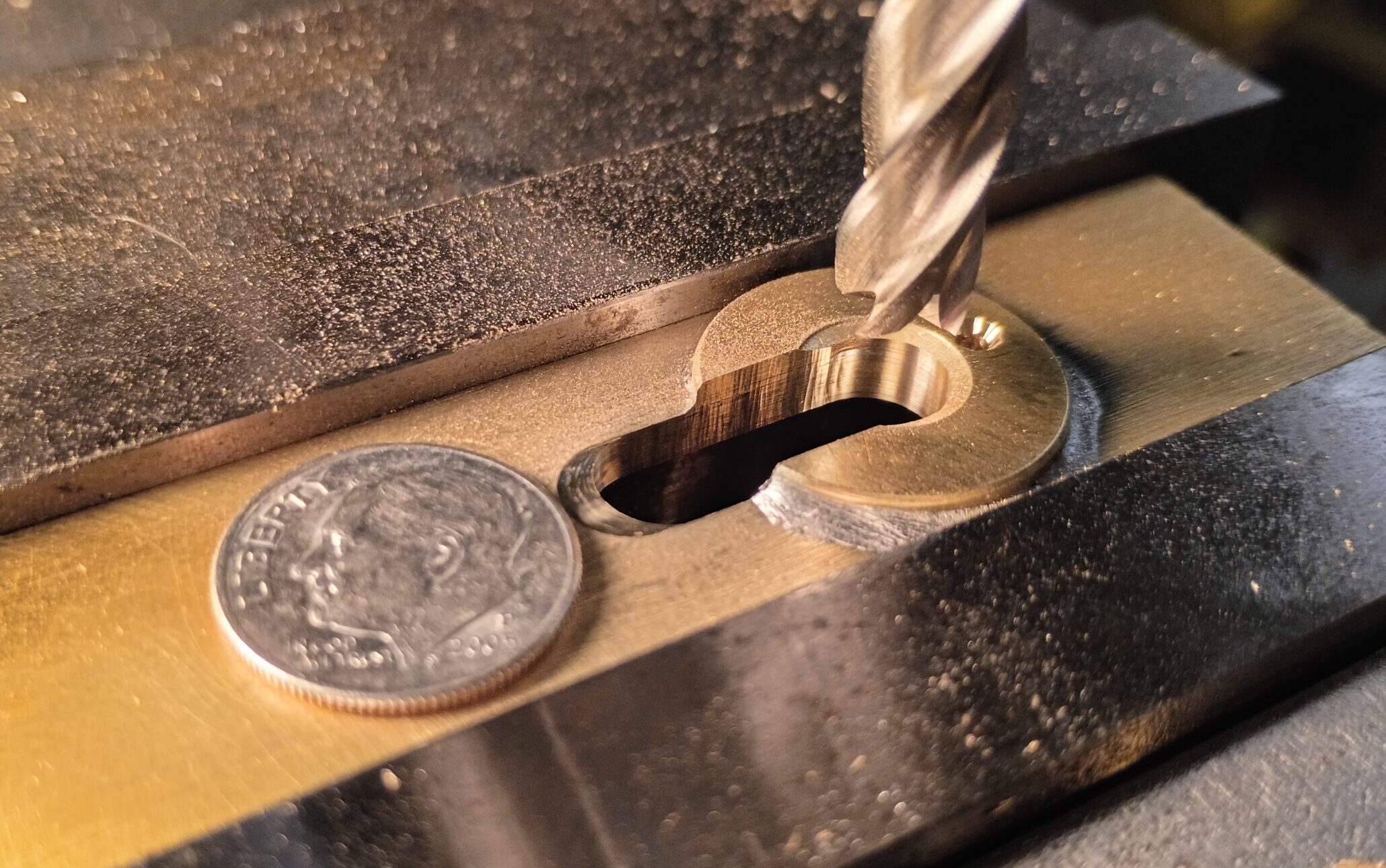
Acquiring the ability to machine and fabricate the above-listed components has been a life-long endeavor.
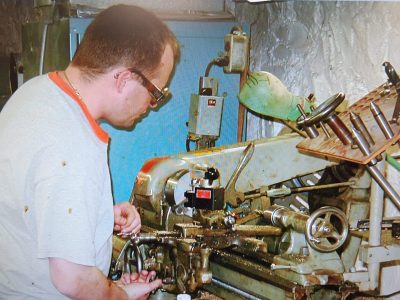
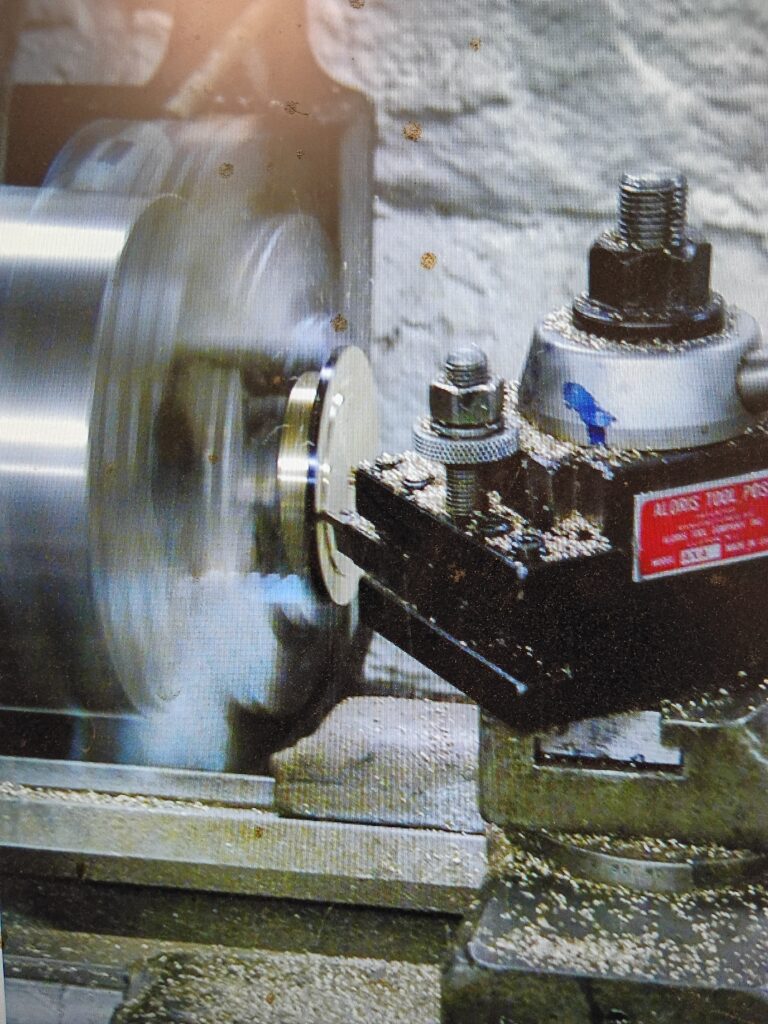
I first learned the basic use of the “Watchmakers Lathe” in our home workshop in the late 1970s and very early 1980s, whilst working with, and under, my father. I then studied “machine shop” (my first formal education for operation of machine tools) at age 13 in 1985, at Minuteman Regional Vocational Technical High School in Lexington, MA, at that school’s evening program for junior high school students.
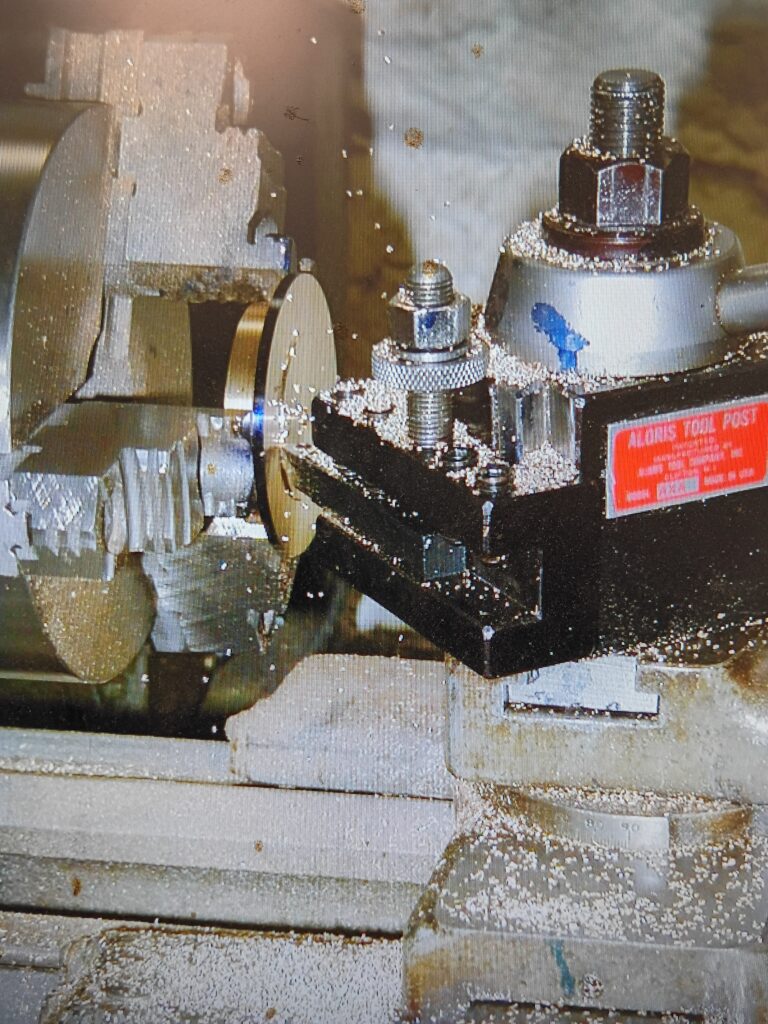
Simultaneous to my later enrollment in that same school’s evening machine tool courses (for adults) in 1990, I commenced employment at Northeast Manufacturing, a commercial machine shop in Stoneham, MA that manufactured custom-machined components for the aerospace, defense, communications, and medical fields. I performed substantial amounts of bench work including parts deburring; edge filing; sanding; polishing; fitting; and assembly…. as well as operated manual and computer-controlled machine tooling…. in the production of custom parts for the industries that Northeast Manufacturing served. I studied in the “adult education” machine shop courses at Minuteman Tech High School from 1990 to 1991 and was employed at Northeast Manufacturing until 1992.
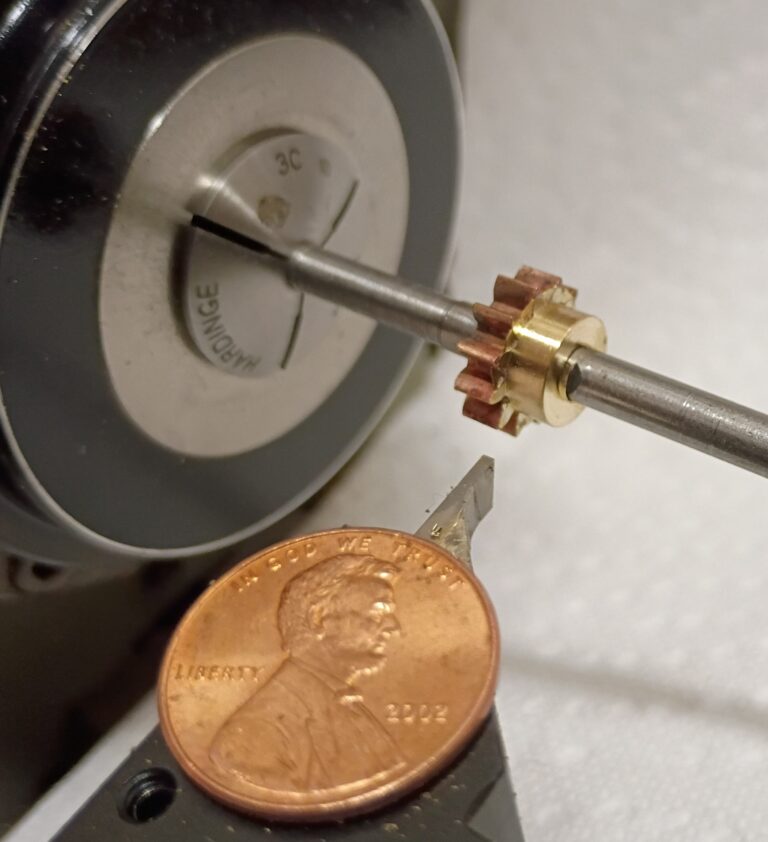
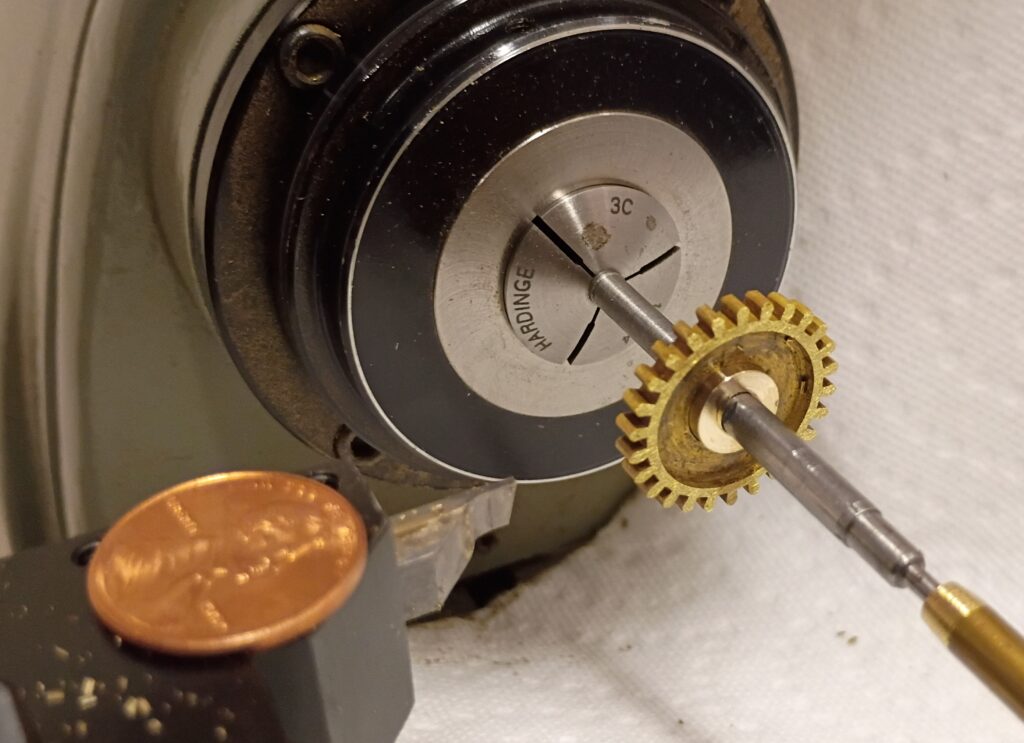
In the mid-1990s, I studied clock wheel (gear) and pinion cutting, and clock escapement making and repair, from private instructors from the American Watchmakers-Clockmakers Institute in Ohio.
From the mid-1990s to the early 2000s, I machined parts (and repaired and rebuilt clock escapements) for other clock repairmen who couldn’t (or preferred not to) do this work themselves. I also repaired “problem clocks” for other repairmen, who were unable to diagnose or repair those clocks themselves.
The last of my “formal education” in machine tool operation, was a few semesters of college-level CNC (computer controlled machine tooling) instruction at the evening program at Wentworth Institute of Technology in Boston, between 1999 and 2002.
In the mid 2000s, I ceased all “contract work” for other repairmen and shops, so that I could provide my skills and services exclusively to my own clock repair customers.
Soldering & Brazing
Soldering (and brazing) is the joining of 2 separate metal items using heat and a filler metal (the solder, is the “filler metal”).
I learned the basics about soldering and brazing from my father, at a very young age. As a teen and a young man, I read several books (there was no internet, yet) regarding soldering technique and good workmanship. I improved my skills and expanded my abilities by “trial and error” in the shop in the years that followed, but with formal education in the study of electric (and gas) welding/brazing at Northeast Metropolitan Regional Vocational Technical High School’s evening program, in Wakefield, MA, for several semesters.
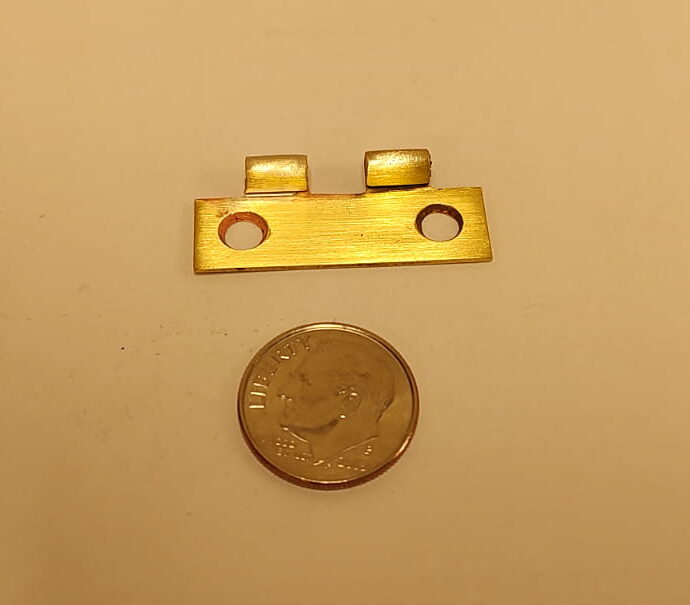
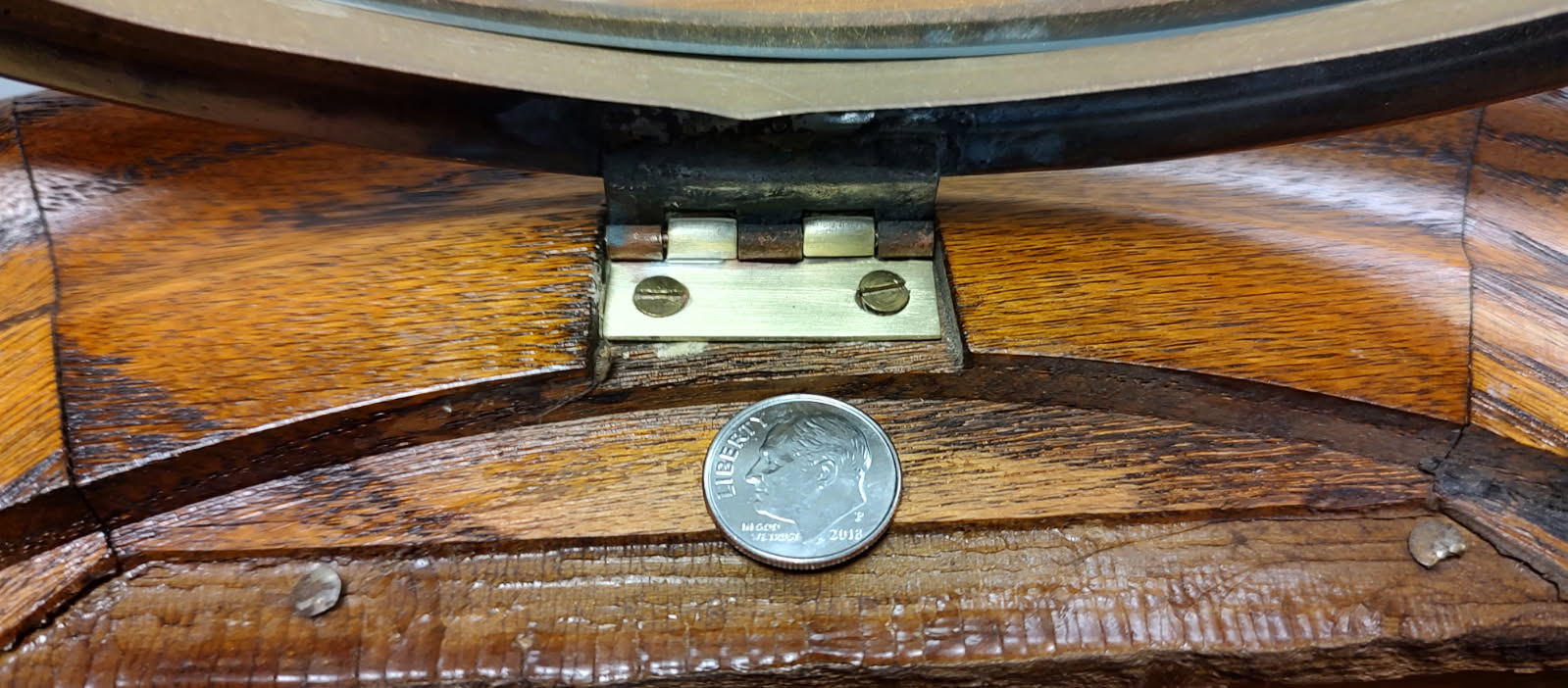
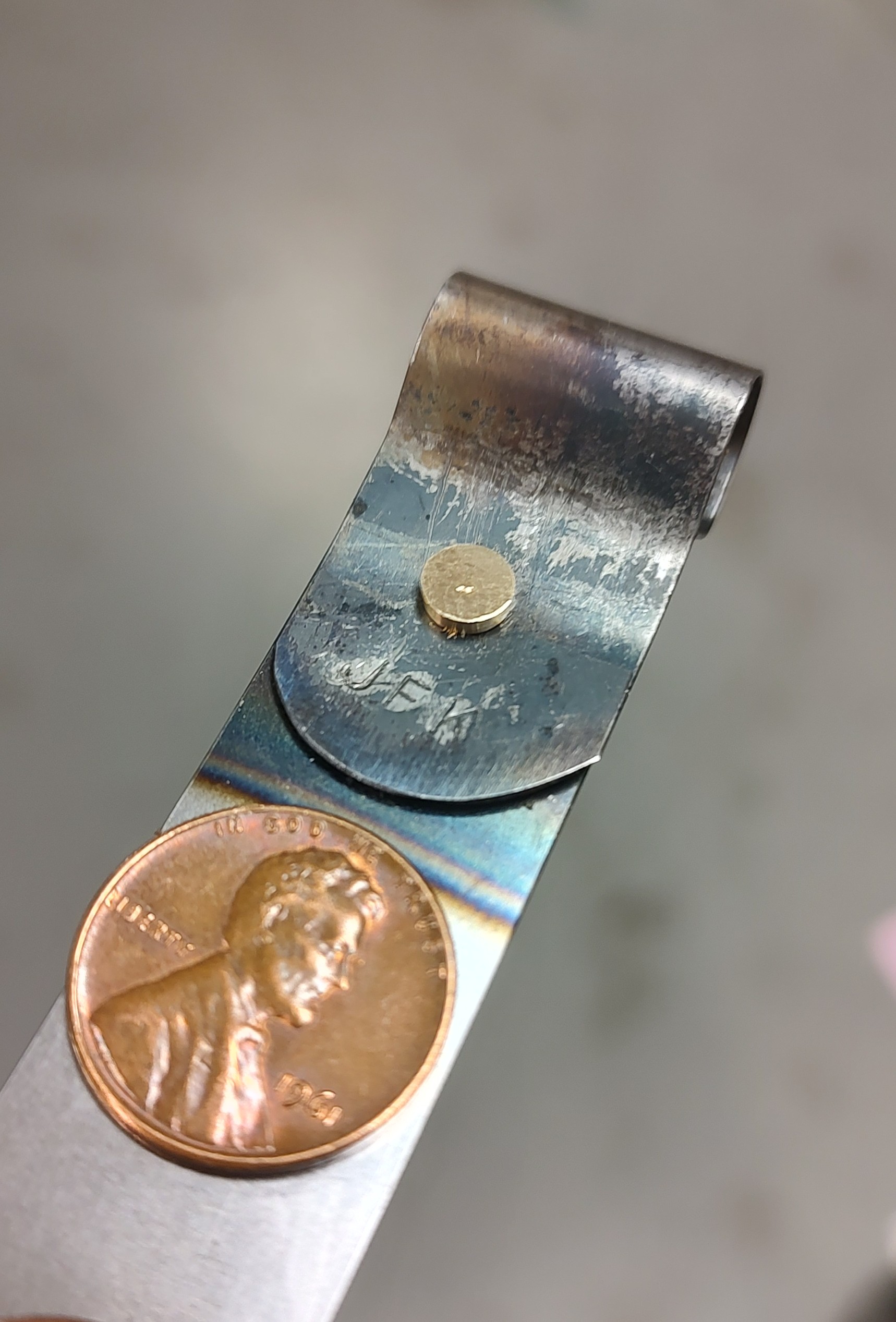
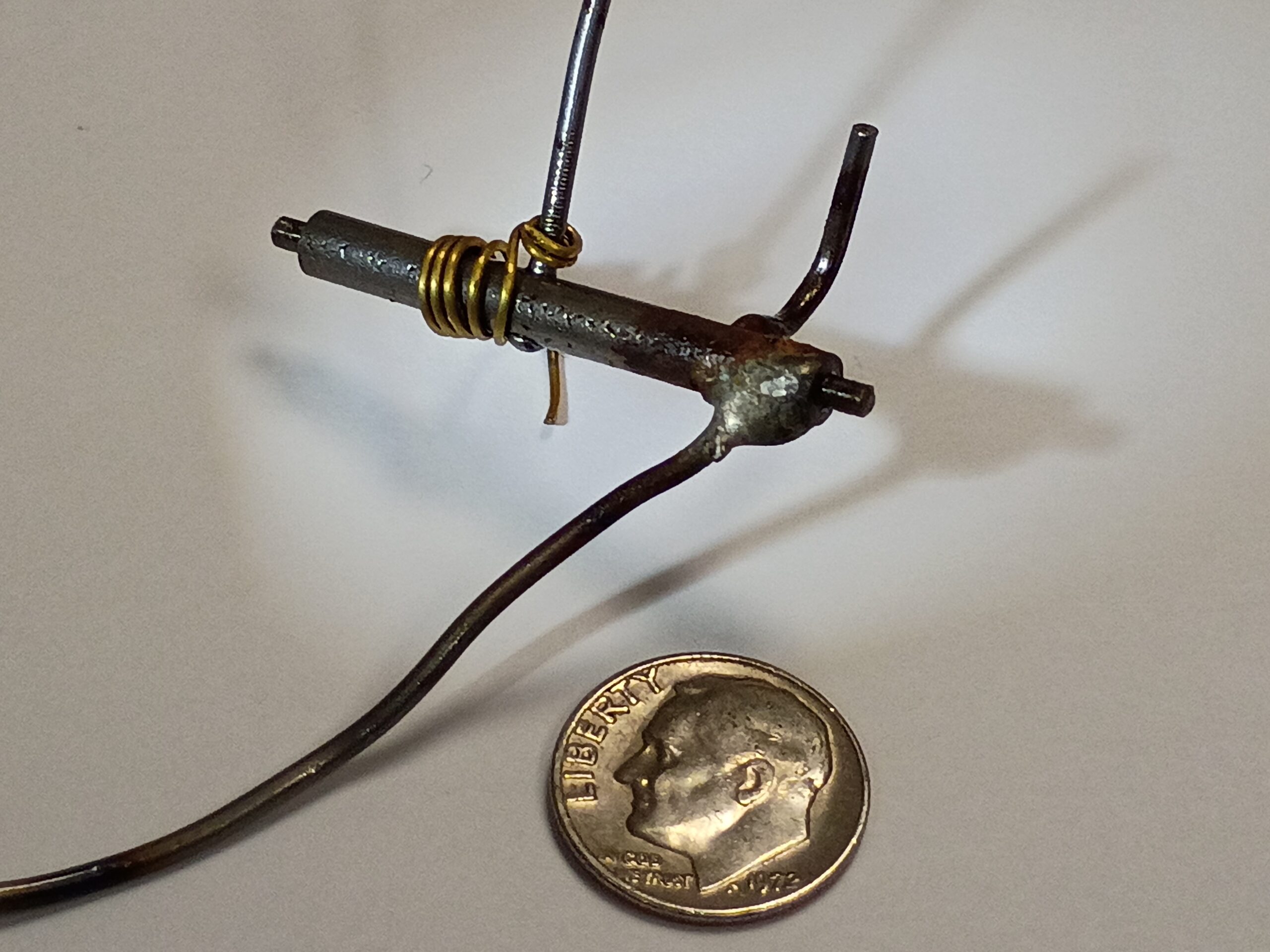
Hinge for a regulator clock’s bezel was repaired by silver soldering the hinge loop
The Final Word
If your clock presents a scenario in which a custom-machined or fabricated component is required, or in which soldering or brazing is required…. I have decades of experience in these areas. Your project, when under my care, will be treated as if it was my own: done properly, no shortcuts taken, and the custom-machined (or soldered; or fabricated) part(s) fitted properly, tested for proper performance…. with the workmanship pleasing to look at. My “complete mechanical rebuilds” of clock mechanisms are guaranteed…. parts, labor…. and for grandfather clocks…. even the “house calls”…. for two years. That’s the best guarantee in the business.